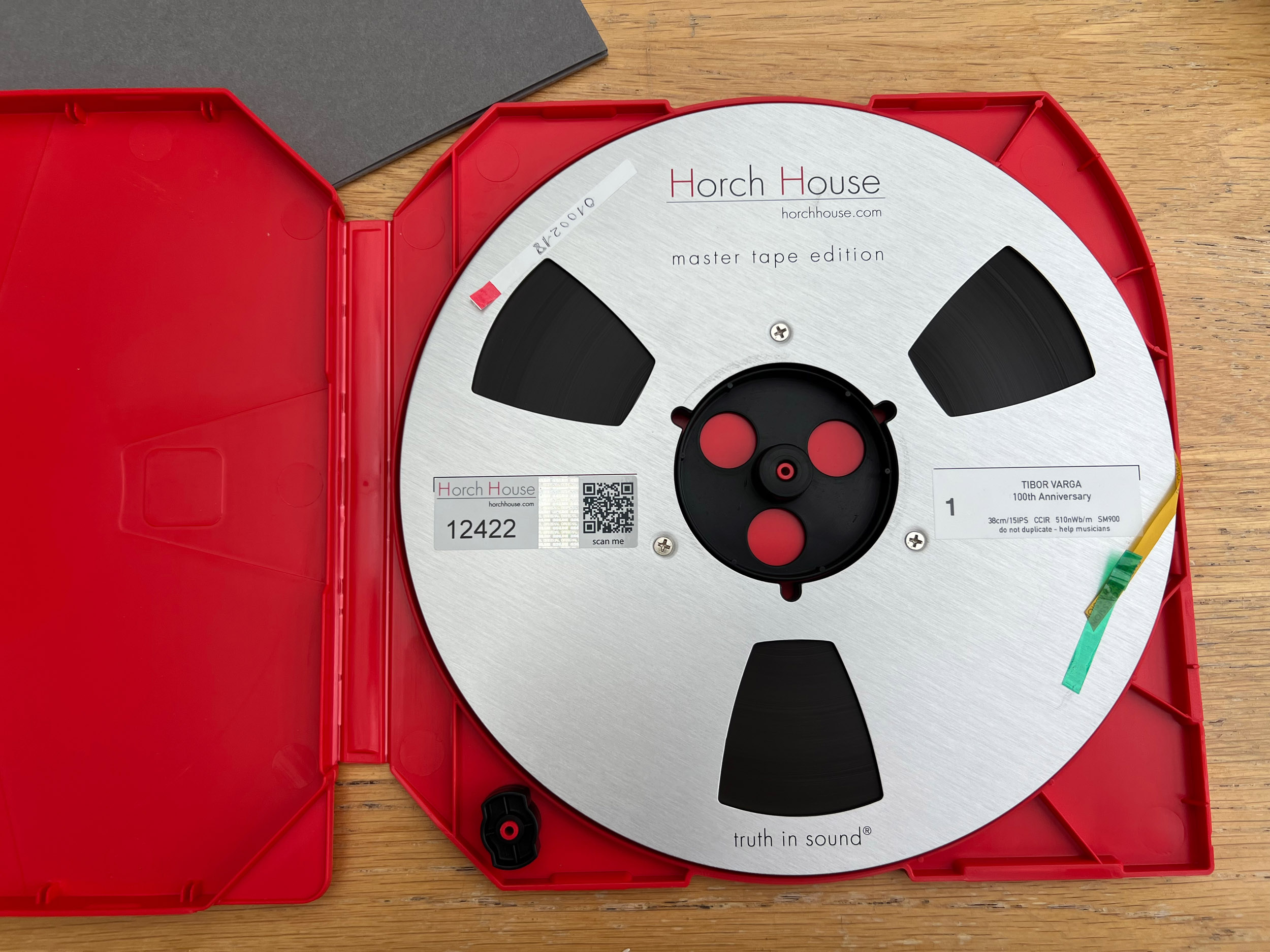
 I came across this one pretty much by accident – or, depending on how you look at things, by one of those roundabout, serendipitous routes. I’d been in conversation with Horch House’s Volker Lange about various things, and happened to notice that he’d taken on distribution of tapes from a Swiss ‘ultra-purist’ label called Triston Masters (I’ve also written another blog to accompany this one, Introducing Triston Masters, which includes a bit of an interview with its owner Jürg Schopper).
Anyway, anyone who’s described as ‘ultra-purist’ is always going to pique my interest, so I had a chat with Volker about checking them out and asked him for a steer on which recording to start with to get a good flavour of their work. He recommended Tibor Varga, along with ‘Might of Coincidence’ – neither of which I’d heard of – and I’ll write more about the latter in another ramble / blog a bit later. First, let’s start with Tibor Varga.


Like I said, I’d never heard of Tibor Varga until now but as soon as I started on a bit of Googling, I realised that perhaps I ought to, since he has quite a cult following and looks to be widely regarded and highly acclaimed.
Tibor Varga

Varga (1921 –2003) was a Hungarian violinist, conductor and music educator.
A Guardian obituary describes him as “a true violinists’ violinist, relatively little known to the general public, but commanding immense respect among musicians.” He was “heir to the grand tradition of Hungarian violin playing” and studied at the Franz Liszt Academy of Music in Budapest after being discovered by Jeno Hubay at the age of 10. Regular concert tours followed, from the age of just 14.
Following the second world war, Varga moved to London, before being invited, in 1949, to create the string department of a newly founded music conservatoire in Detmold, north-western Germany, where he continued to teach until 1986. In the meantime, Varga had relocated from the UK to Switzerland (due to his son’s health problems) and settled in Sion, in the Swiss alps, where he successively founded an academy (1963), an annual music festival (1964) and an international violin competition (1967), all bearing his name – and which continue to this day: https://sion-violon-musique.ch.
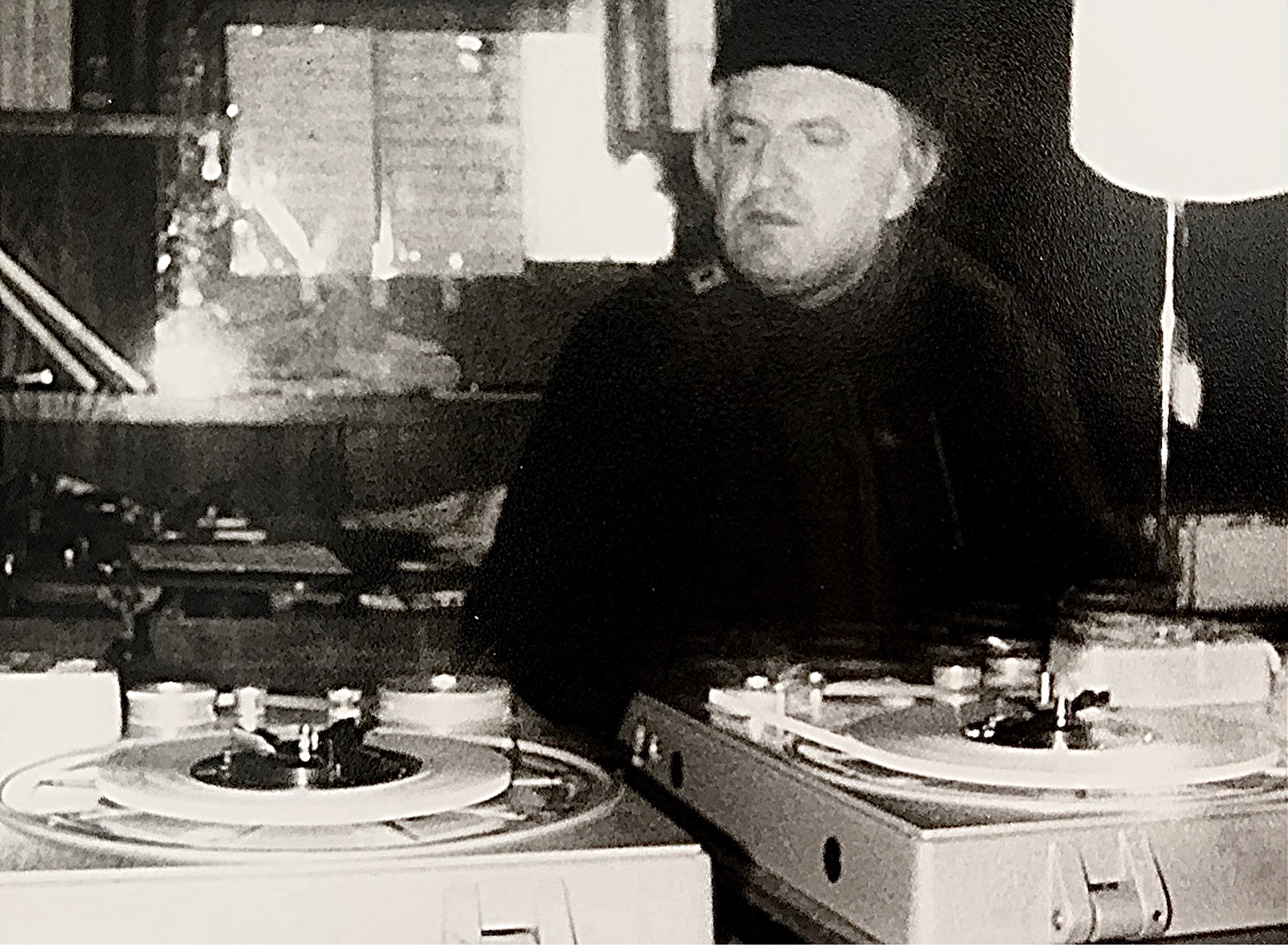
“Varga’s performing career, meanwhile, was continuing to great acclaim, and he appeared with conductors such as Ansermet, Bernstein, Böhm, Boulez, Ferrara, Fricsay, Furtwängler, Markevitch, and Solti,” notes the obituary. “Famous for his interpretation of Beethoven, Brahms, Nielsen and Tchaikovsky, he also devoted special attention to contemporary works…. Varga’s recording work (for labels such as EMI, Columbia, and Deutsche Grammophon) also continued unabated, and despite his numerous teaching engagements: interpretations such the second Bartok violin concerto with Fricsay and the Berlin Philharmonic are still regarded as points of reference.”
Back to the 100th Anniversary recording
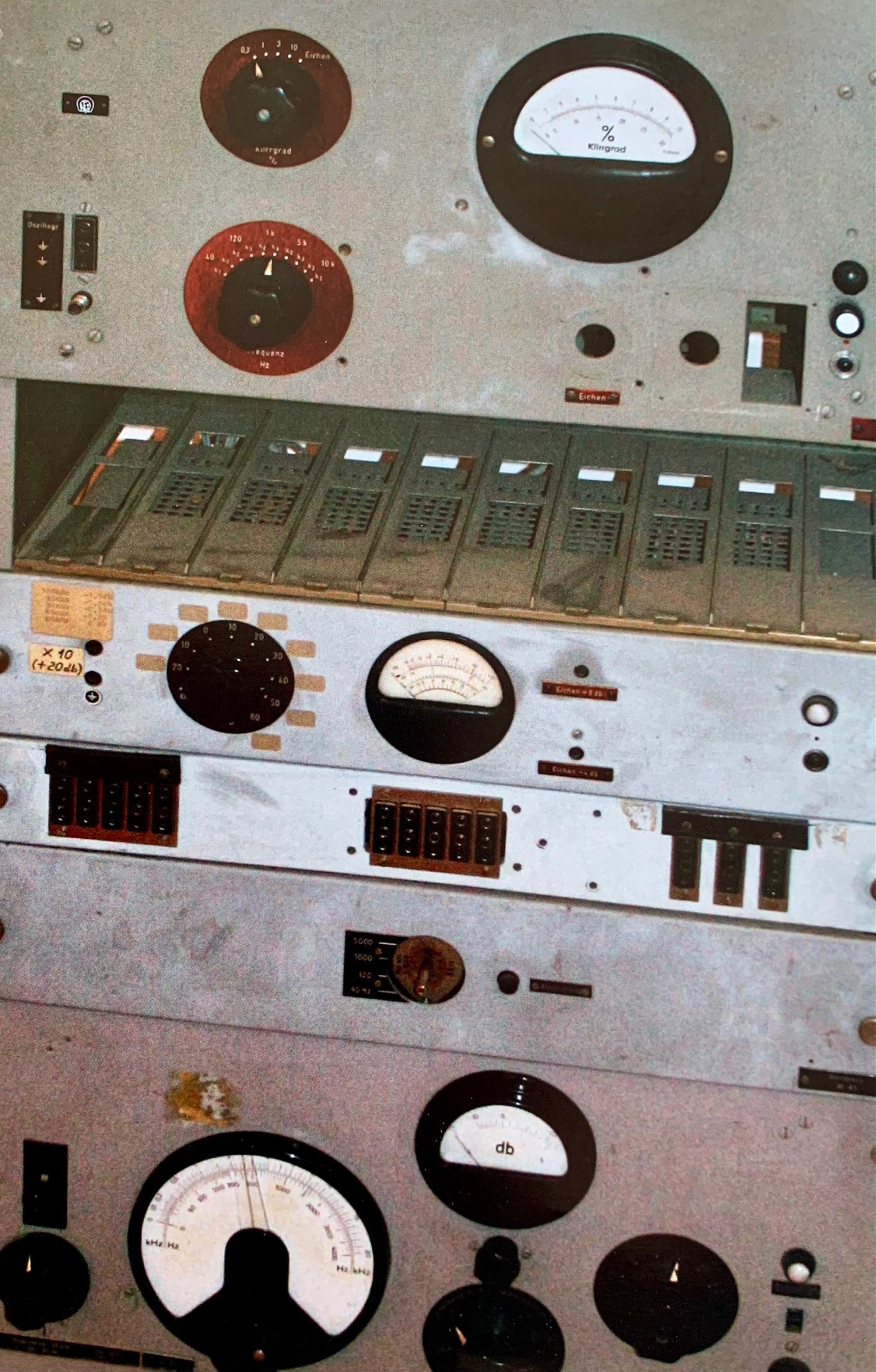
These recordings, which are available on both master tape copy and vinyl LP, were made at the Tibor Varga Festival in Sion in 1982 and 1983. They were made by Varga’s daughter, Susan Rybicki-Varga, using Neumann and Schoeps microphones and Telefunken V76 microphone preamps into a Studer C37 master recorder. It doesn’t get much more purist than that!
The venue for the Festival and these sumptuous recordings was the Jesuit Church (L’Église des Jésuites) in Sion, Valais, Switzerland, which as I discover as soon as I begin to listen, is a key factor in what you’re hearing (in my opinion / experience at least).
Let’s get listening

I’m going to kick off by talking (rambling, waxing lyrical) about the tape, though I also now have the vinyl version of this exquisite gem. The vinyl LPs are actually highly sought after – only a few remain of the very limited run of 300 copies made. The price of CHF 180 (approx. £160) might seem high for a vinyl recording (I mean, it is high), then again this is an almost hand-made vinyl LP, cut direct from the analogue master tapes by Adrian Flück in Berne, Switzerland and pressed at Adon.
By the way, just in case you should find yourself you’re reading my listening notes about the tape and looking at the vinyl release, let me just say that the latter has the two tracks of side one reversed, in other words the tape starts with what is side one, track two of the LP version! The tape itself is all on one reel, so ‘side 2’ of the LP, which kicks off from track 3, is simply the third track on the tape.
Anyway, back to my listening notes for the tape…
Camille Saint-Saëns – Havanaise – Opus 83
We’re kicking off with an extremely joyful piece of music here. It was written to honour the great Spanish violinist, Pablo de Sarasate and it’s full of the essence of Spain. There’s a very strong Latin feel and it almost has echoes of Ravel’s Bolero (more in the backing ‘dance’ of the double basses than in the leading violin). I’m getting a kind of like a cocktail of Spain and Latin America: a dash of tango, a splash of rumba – shaken, not stirred!
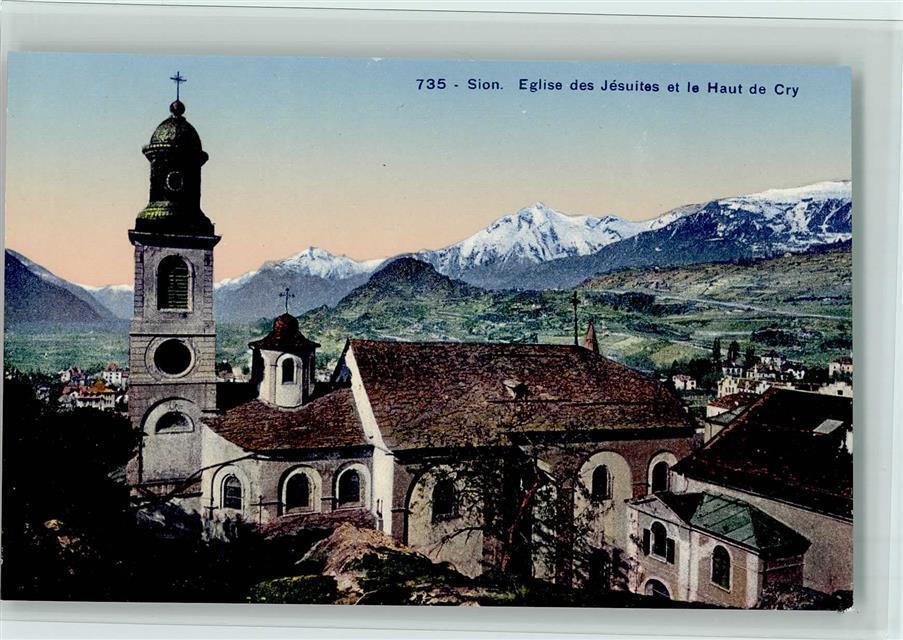
The overall scale and power of the orchestra is remarkable. This is a very ‘real’ sounding recording, which is why I stressed the role of the venue so much above. You’re completely taken there and the ‘there’ in question is a very nice place to be taken!
Varga’s violin dances with ninja-like dexterity. You can feel the pressure of each bowing movement, whether hard, firm or light. Equally there’s a clear sense of the speed of each bowing and, when things get dance-y, there’s a delightful bounce on the strings. It’s captivating – then the orchestra swells up into a crescendo, and oh boy, the fullness, power and dynamic swing fills every corner of that church and you really feel it. The crescendos echo out and seem to define the venue within your listening room, such that you’re almost ‘hearing’ a different space to the one that’s in front of your eyes. It’s really vivid and utterly wonderous. And, all the while, the track continues to be joyous, a dance, that lifts and carries you.
 Camille Saint-Saëns – The Introduction and Rondo Capriccioso – Opus 28
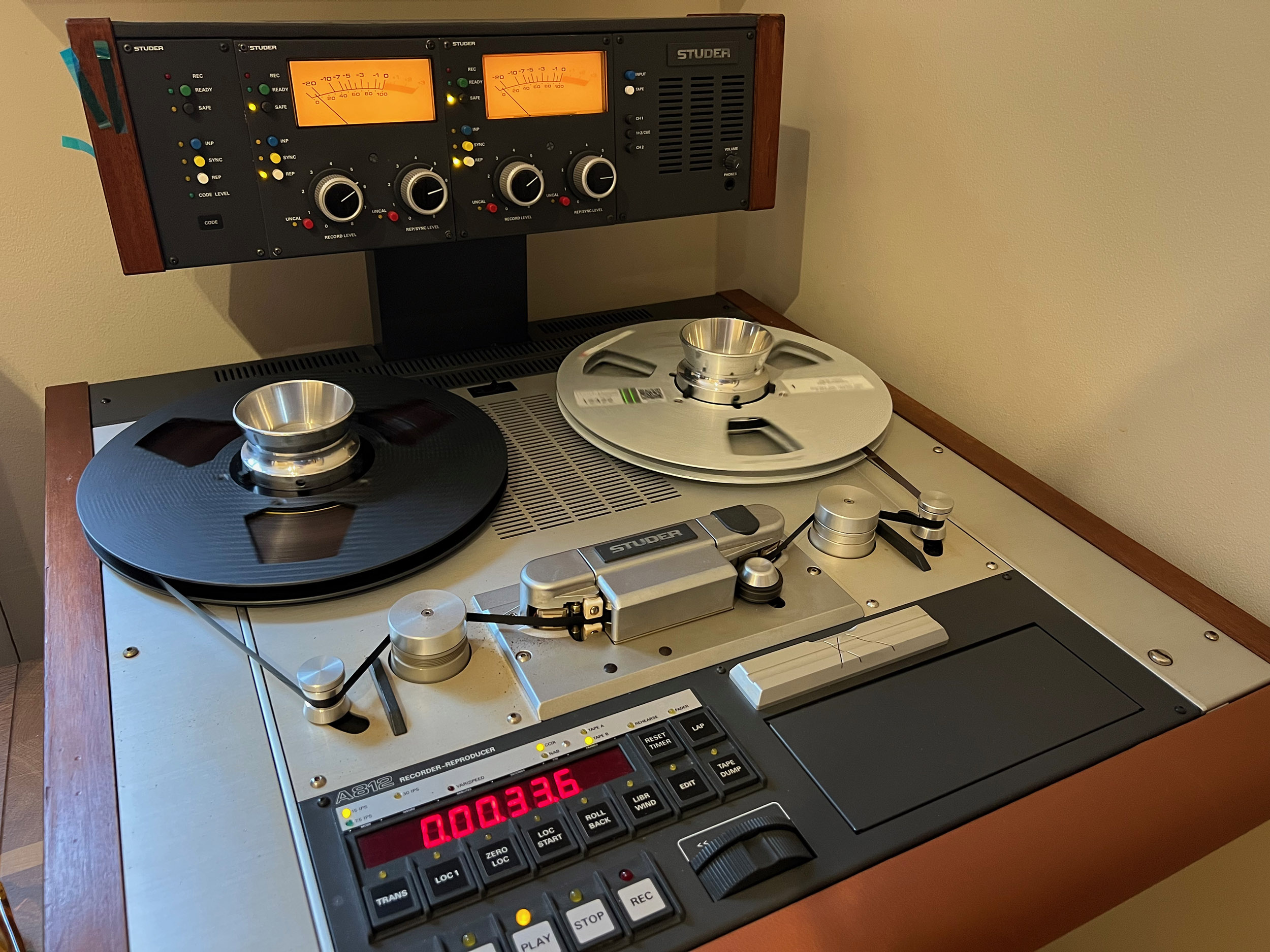
Next up, a second Saint-Saëns piece. This one’s is still very ‘dancey’ but, in contrast to the first piece, it has the gravitas of a more formal dance such as a waltz. It’s more staid, more calm and serene.
Again, the bass is deep and rich and it penetrates into every niche and corner of the church venue.
Tomaso Albinoni – Adagio in G minor
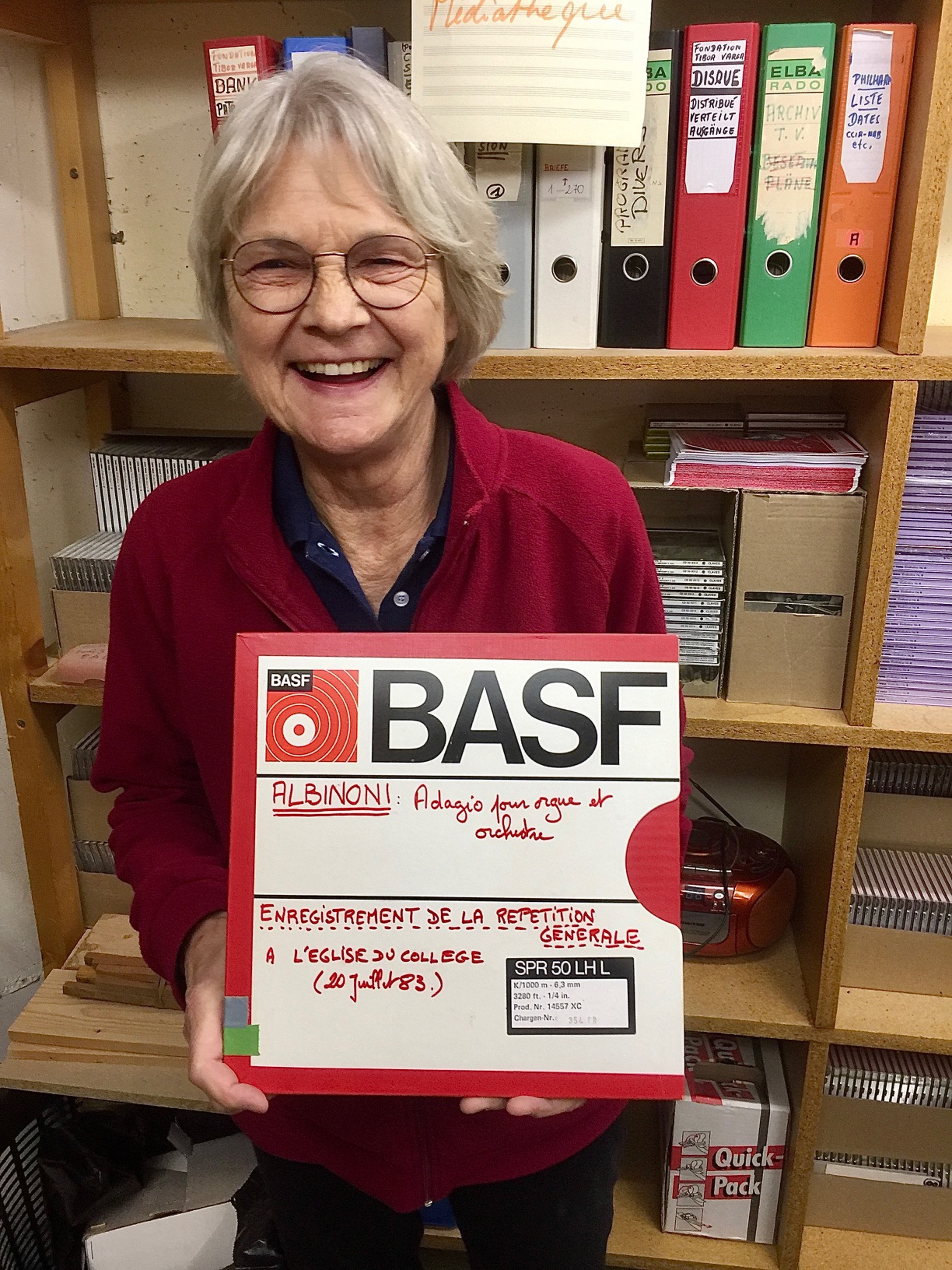
This is definitely one of those ‘hold onto your hats’ moments! The full title of this piece is actually ‘Adagio in G minor for violin, organ and orchestra’ and let’s unpack each of those elements here. The violin soloist is of course Varga and, having heard him play on the previous two tracks, I’m already wondering how on earth I’ve managed to miss him until now (my bad). Add to that the organ and now we turn up the magic another level or two, since there’s nothing that quite resonates with your soul like a church organ – and if you’re going to be listening to a church organ, then why not listen to one in a staggeringly beautiful church high, high up in the Swiss alps, accompanied by an exquisite orchestra, the ‘Orchestra du Festival’.
At this point I’d already played the first two tracks a few times over, utterly spellbound. And then I finally play on to this and – boom! No question folks, this has to be one of the most wonderful sounding recordings I’ve heard, and it will no doubt become one of the most played tapes I own. The music is exquisite, the performance is inspired / divine and the venue and recording are exemplary.
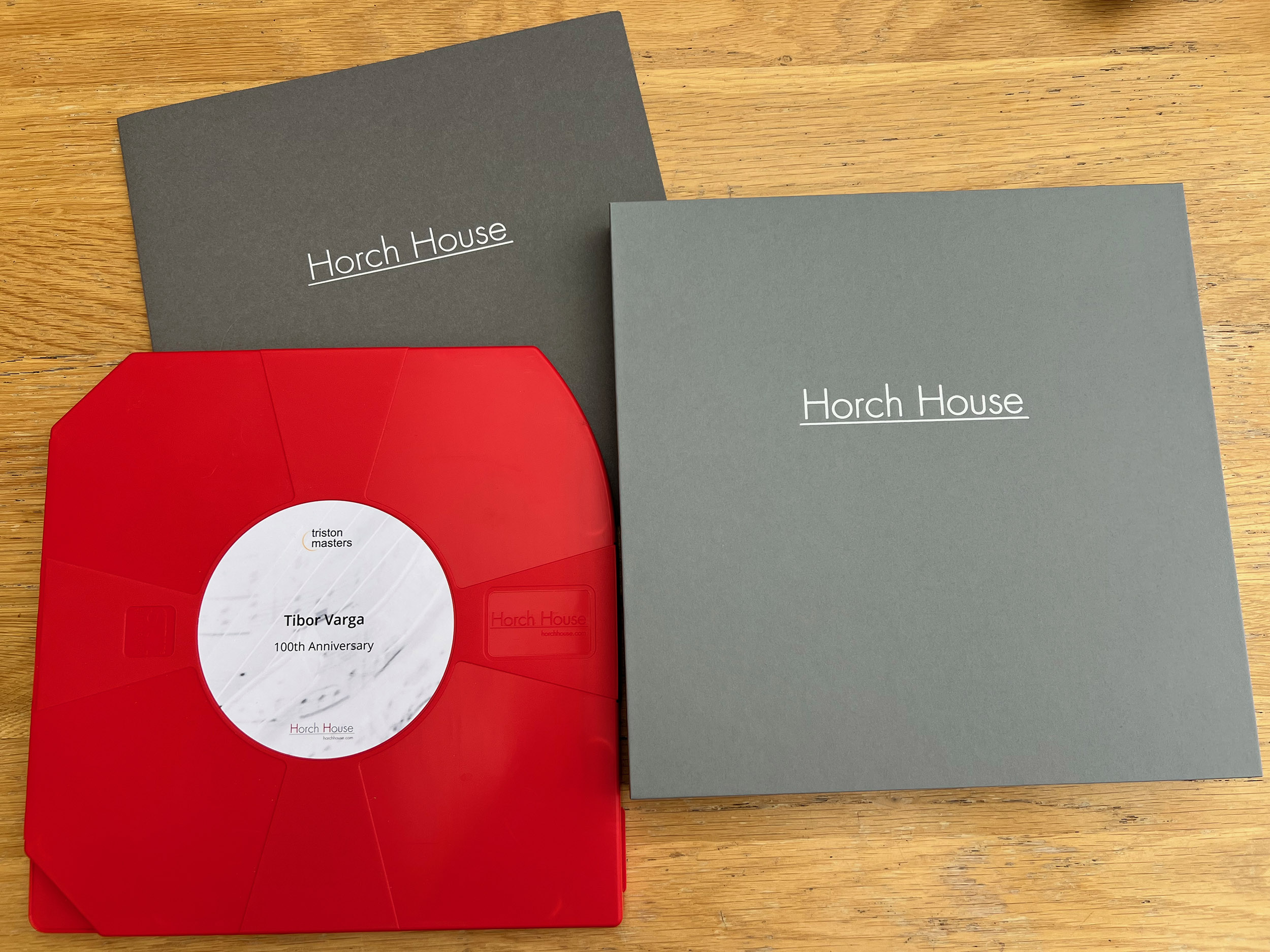 Given that I didn’t know the artist, or the orchestra, or the label, I can’t honestly imagine that I would’ve bought this one unless it had been recommended to me (thanks Volker!). At around £160 for a vinyl LP, and €480 for the tape, it’s never going to be an easy sell to anyone who doesn’t already know what they’re getting. But if you do know what you’re getting, my guess is that you’ll want one!
P.S. I almost forgot, there’s a fourth track. It’s a four-minute snippet of the rehearsals, which further enhances the feeling of being there – from spoken voices to orchestral crescendos.
I should also add that if you can’t or don’t want to stretch to the tape budget, the hyper-limited edition vinyl LP sounds superb and is highly recommended.
Here’s where you need to head:

 Dave Denyer: The Reel-to-Reel Rambler