Four months feels like an eternity when you’re waiting for something special. But the moment the promised one finally arrives, all that waiting collapses into a faint little shadow behind you.
Back in December last year, I had the pleasure of chatting with Rhino’s Steve Woolard, the man behind the recent Rhino High Fidelity reel‑to‑reel releases. During that conversation (which you can still catch on YouTube here if you fancy a refresher) Steve casually dropped the news that the next Rhino R2R title was scheduled for April 2026. And sure enough, on Friday 24 April 2026, Rhino sent out the press release: the next tape is the Grateful Dead’s 1970 acoustic masterpiece, Workingman’s Dead.
And what a choice. Workingman’s Dead is the first of two acoustic‑leaning Dead albums from that year — the second, American Beauty, arriving just five months later and becoming, arguably, their most successful record.


So here we are again: another A‑list rock artist, another A‑list album, landing on 15ips master‑quality tape. And if the past few months have taught me anything, it’s that those first two Rhino tapes are the real deal. Even after countless playthroughs, they still feel like master tapes — genuinely, startlingly master‑quality. I’ve had friends over during this period, and the reaction has been unanimous: utter awe. It’s like stepping into a time machine that drops you right into the studio with the band, on the very days those albums were born. It’s altogether more involving, more intimate, more alive than any other format I’ve ever heard. Listening becomes an event. And more than with any other releases, one listen inevitably leads to hitting rewind and running the whole thing again. And again. And again. It’s a drug — a very addictive one.
So, Workingman’s Dead. Did I know this was coming? Not at all. Is it a ‘must‑have’ for me? Frankly, and quite simply, yes.
Coming late to the Dead-Head party
Now, for many years I was absolutely not what you’d call a Dead Head. Confession time: my resistance was built on a foundation of ignorance and prejudice — two pillars that hold up far too many musical blind spots! First, the name: Grateful Dead. As a teenager deeply into art and the fantastical soundscapes of progressive rock, I associated the Dead with something dark, heavy, maybe even violent. The name conjured the same mental imagery as Black Sabbath or the whole heavy‑metal universe — genres that never really lived in my orbit. Prog felt sophisticated, intelligent, almost classical in its architecture. The Dead, I assumed, were the opposite.
Then there was the fanbase. As a sensitive, arty kid in the mid‑to‑late ’70s, I gave ‘tough types’ a wide berth. And the impression I had — completely wrong, as it turns out — was that the Grateful Dead were the soundtrack of choice for Hell’s Angels (how wrong can a guy be!).

Fast‑forward a couple of decades… I’m working in the hi‑fi industry and I’m visiting the late, great Paul Messenger. Out of nowhere, he brings up the Grateful Dead and puts on their 1971 self‑titled live album — the one affectionately known as Skull and Roses. And I’m floored. Instead of the heavy, aggressive music I’d imagined, what poured out of the speakers was light, joyful, sun‑drenched hippie energy. Music that flowed with an effortless oneness, the kind of natural musicality you rarely hear at that level. That old saying about a band playing together like the fingers of a hand? That’s the Dead, through and through.
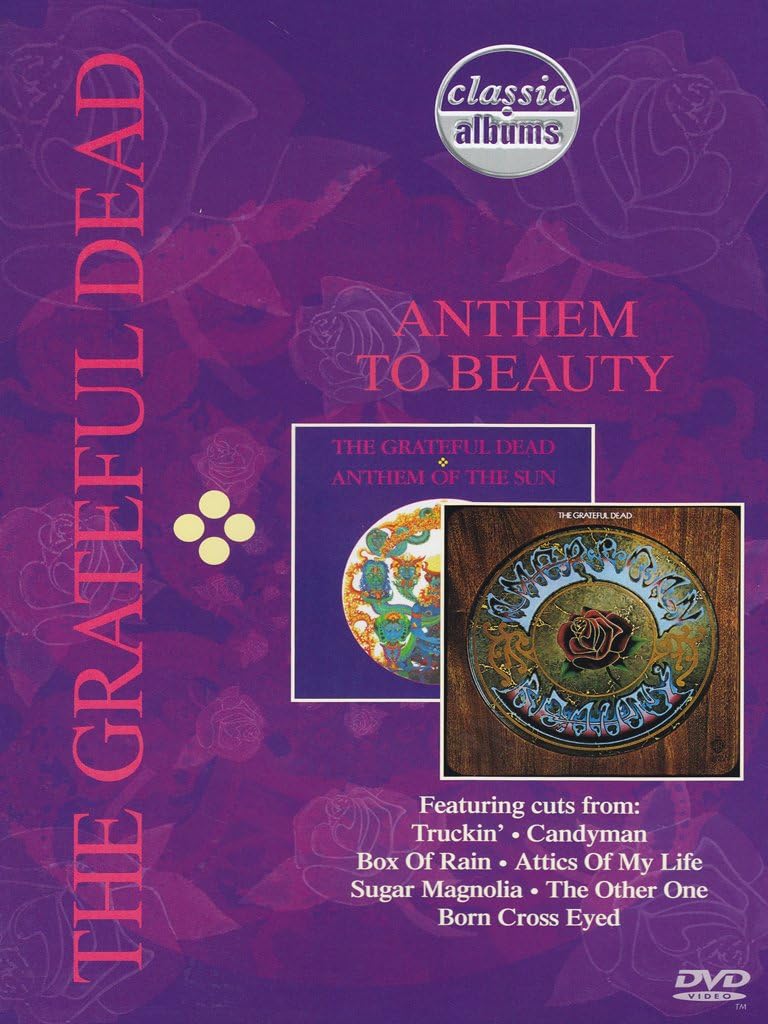
From that moment, I was hooked. On my next visit, Paul played me American Beauty, knowing its warmth and accessibility would pull me further in — and it did. Then I stumbled across the 1997 Classic Albums episode Anthem to Beauty, a documentary about the making of Anthem of the Sun and American Beauty. That sealed it. I was fully converted. No more shying away from Dead Heads — I’d become something of a Dead evangelist myself.
And in typical Dave Denyer style, the next few years were spent hunting down near‑mint US originals of every Dead album up to that legendary live double.
To this day, the two Dead albums that spring to mind first are American Beauty and Workingman’s Dead. And if I’m honest, Workingman’s Dead has probably spent more time on my turntable. It just feels a little freer, a little looser than its follow‑up.
So when Rhino announced Workingman’s Dead as the next reel‑to‑reel release, it was welcome news. I know this album inside out, and it’s one of those records you can spin endlessly without ever tiring of it. It practically defines musicality — purity, honesty, and a refreshing lack of commercial sheen. If American Beauty is the more polished and commercial sibling, Workingman’s Dead is the one that sits cross‑legged on the floor, guitar in hand, telling you the truth. Decades before MTV Unplugged, the Dead were already doing the whole ‘stripped‑back acoustic intimacy’ thing — and doing it sublimely. I absolutely love it!
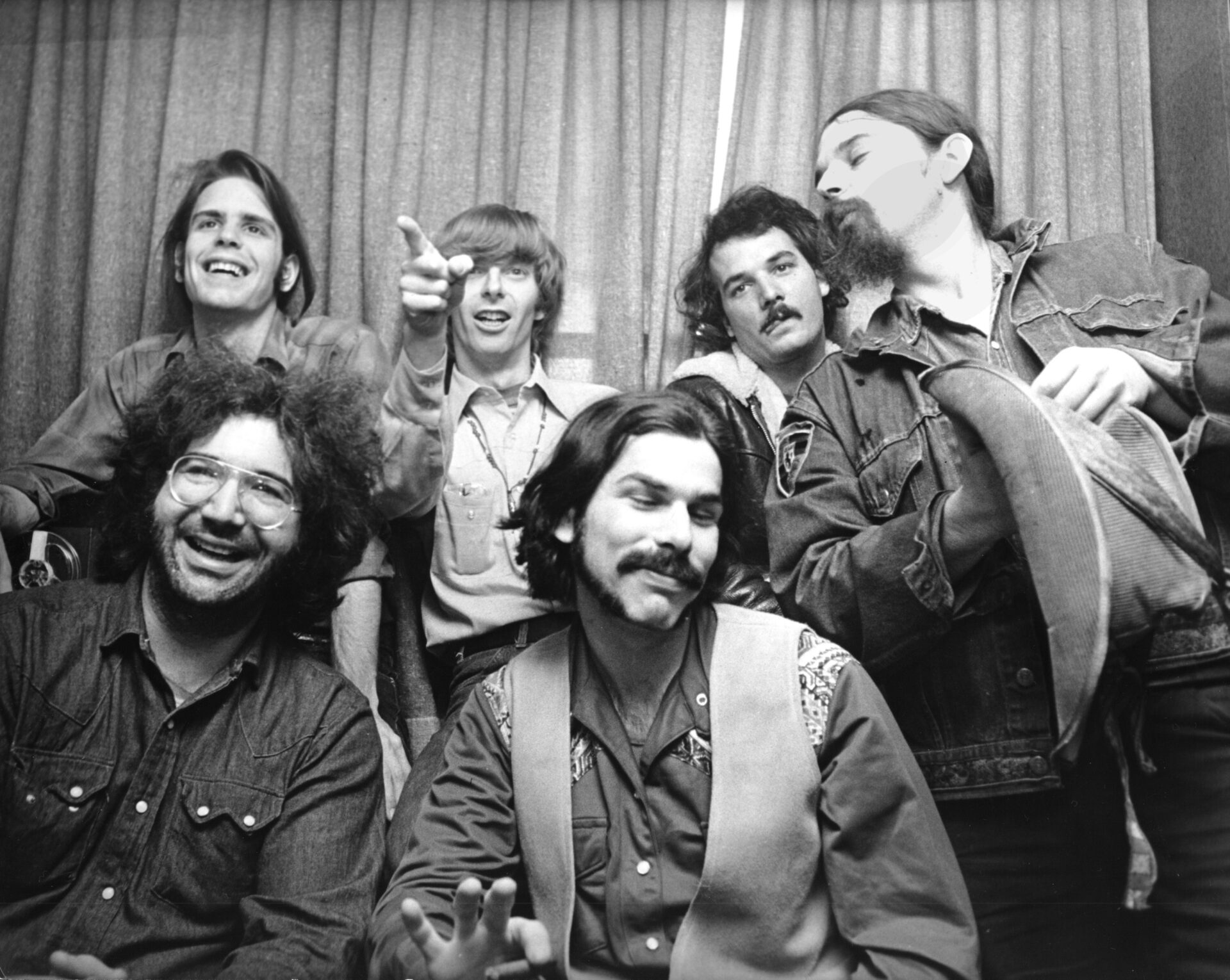
Happy unboxing day
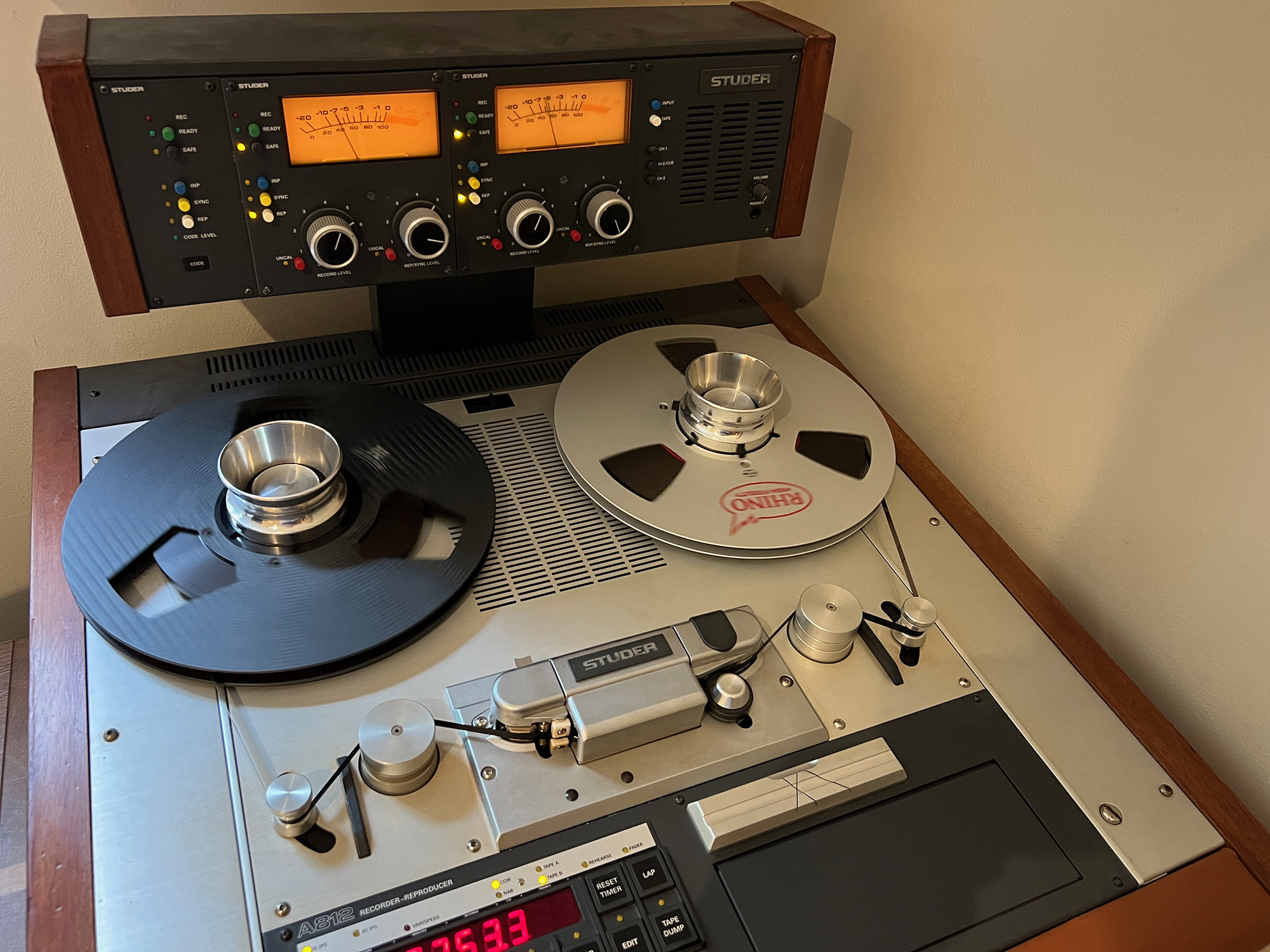
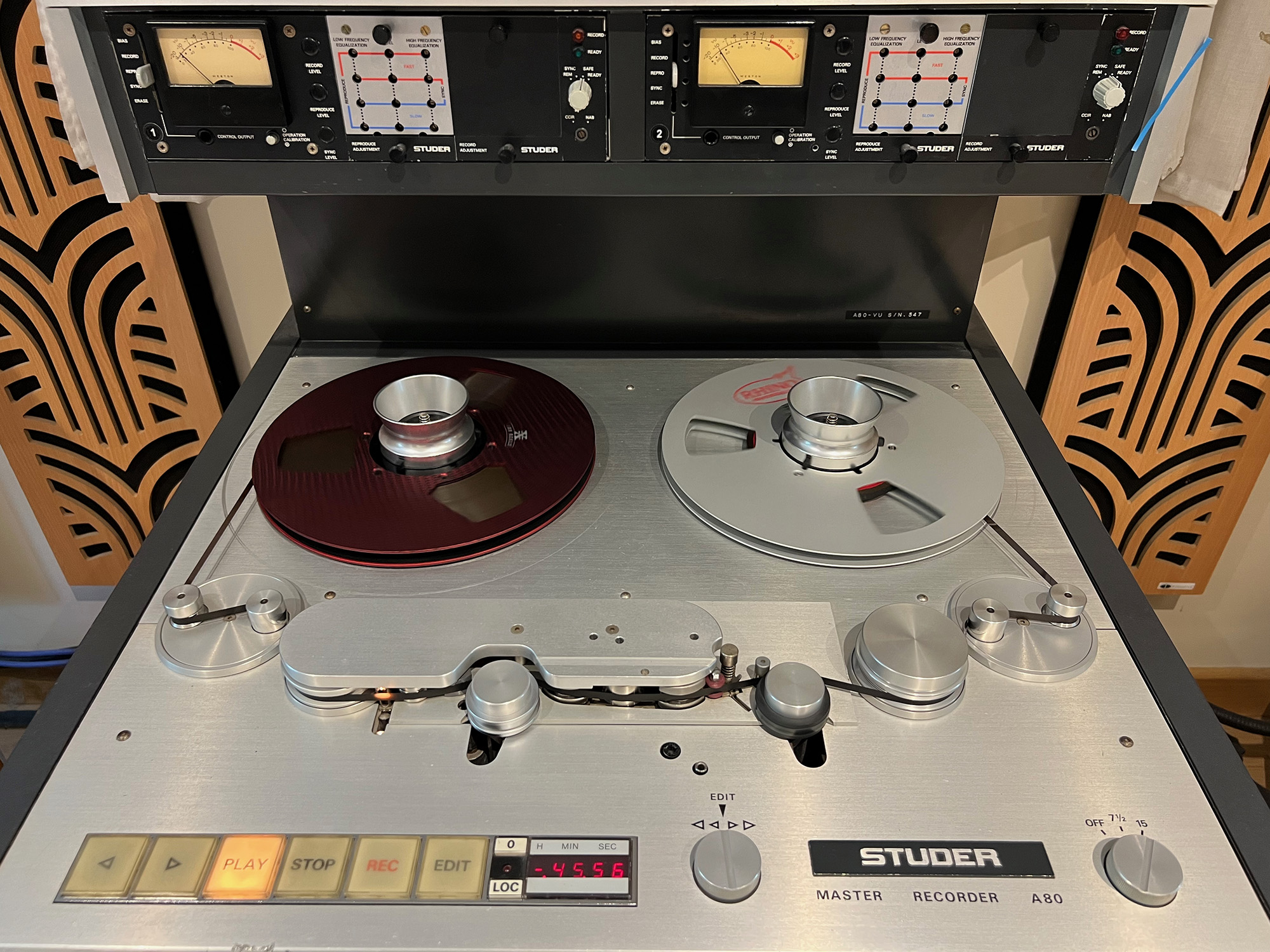
Naturally, my order went in immediately. And just a few days later, the familiar Rhino tape package landed on my doorstep. Like an overexcited schoolboy, I tore it open, and within minutes my Studer A80 was rewinding the tape back to the leader — standard studio practice — ready for its first play.
Before we get lost in the music…
I’ve already talked about the Rhino High Fidelity packaging when I covered their Yes and T. Rex releases, so I won’t rehash all of that. But it is worth saying that the Workingman’s Dead cover, with its partial spot varnishing, looks really nice. This is a premium product, no question. The feel, the weight, the presentation — everything about it says ‘you spent $300 wisely’. Sitting next to my Yes and T. Rex tapes on the shelf, it’s hard not to get a little giddy imagining what might be next.


And honestly, there’s no comparison between one of these tapes and, say, a $150 audiophile vinyl pressing. Vinyl can be wonderful — transformative, even — but it’s still a format with compromises. Sometimes an audiophile reissue beats the original; sometimes it doesn’t – often it betters it in some areas yet falls behind in others. Reel‑to‑reel master copies, though? That’s a different universe entirely. We’ve had a handful of R2R releases from specialist labels, mostly jazz and classical, but for mainstream classic rock this is new territory. Mind‑blowing territory.
Without even thinking about it, I’ve quietly re-budgeted my vinyl spending to make room for these tapes.
One final point on the unboxing: the hold‑down tape securing the loose end states that my copy is number 70 of 300. The Yes and T. Rex tapes were limited to 500 copies; this Dead release is just 300. Even more reason to get your order in fast. Once they’re gone, these will be holy‑grail items. Quite simply, there’s no better‑sounding version of these albums. That becomes blindingly obvious the moment you hit play. You’re not listening to a consumer medium anymore — you’re listening to the master tape. Or at least a direct copy of it.
(It feels like I should be selling tickets to the listening session. It’s that special.) On which note…
Time to press ‘play’…
Right then — down to business. The tape is unboxed, placed tails‑out on the machine, and rewound. And once again, as I mentioned on the previous Rhino releases, I have to applaud the very long red leader tape. Having that much leader makes it incredibly easy to stop rewinding while the leader is still wrapped around the reel hub. Big kudos to Rhino and Recording the Masters for that.
A quick tech / format lowdown
While we’re on technicalities: this tape uses CCIR (IEC) equalisation. At 15ips, studios historically used one of two EQ curves — NAB or CCIR — depending on era and location. Most commercial 7″ four‑track tapes were NAB, but professional studios used both. CCIR is the more modern EQ, designed around newer, higher‑performance tape formulations, and that’s what Rhino have chosen. It’s a sensible decision: almost all modern tape labels use CCIR, so if you want true master‑quality playback, make sure your machine supports it.
You’ll also need a machine that can handle 10.5″ reels, NAB hubs (don’t confuse NAB hubs with NAB EQ — completely different things), and crucially, 2‑track playback. Most consumer decks were 4‑track, designed for tapes you flip over like a cassette. That’s why with these studio‑quality tapes, you always rewind before play — they’re recorded in one direction only, just like the real thing.
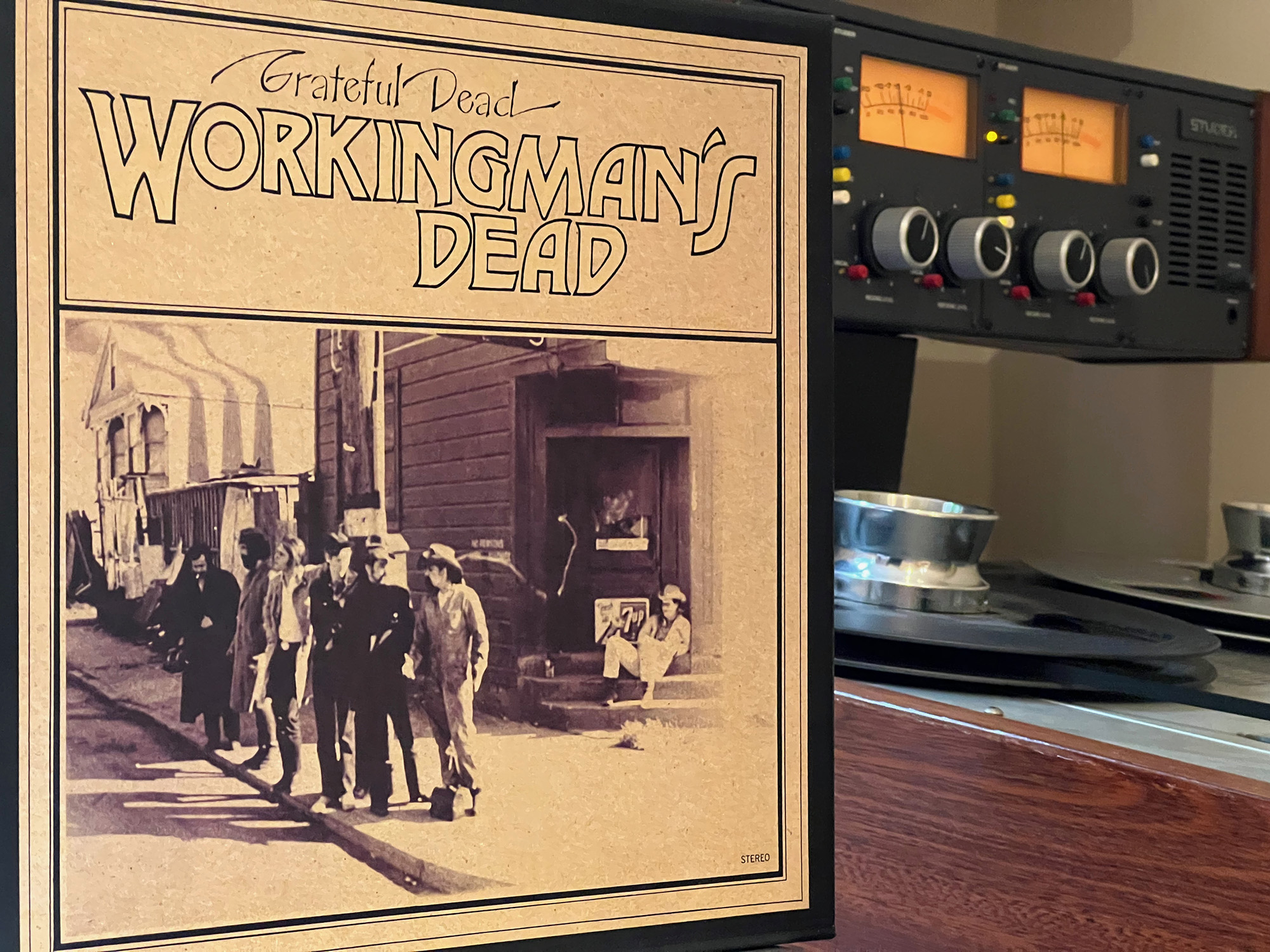
Woah – The Dead are alive!
Uncle John’s Band
Holy moly — those first guitar phrases of Uncle John’s Band ring out of the left channel with a solidity and natural ease that’s almost shocking. Every ounce of detail and openness you know from the original vinyl is here, and then some — but with more weight, more body and absolutely none of the brightness or edge that can creep in on lesser pressings. Nothing is hyped. Nothing is forced. This is purity. This is musicianship. This is a band playing with an innate togetherness that feels almost telepathic. I have never heard the Dead sound more alive, more present, more ‘in the room’. Their spirit, their energy, their warmth — it all pours out of the speakers as if I’m hearing them for the very first time.
On vinyl, Uncle John’s Band can sound just a touch messy in less‑than‑perfect circumstances. Don’t get me wrong — this is an exquisite‑sounding album from start to finish — but this first track, along with a handful of others, features three singers in harmony: Jerry Garcia, Bob Weir and Phil Lesh, and it’s not uncommon for this mass vocal dynamism to sound just a touch ragged. Not here. On tape, the three voices stand tall: life‑size, natural, sweet, distinct, yet beautifully unified. They’re not as polished or tight as, say, Crosby, Stills & Nash — and thank goodness. That looseness is part of the charm. It’s real. It’s human. It’s honest and it adds significantly to the natural beauty of this album. No polish, no smoothing, no auto‑tune (that particular evil didn’t exist yet). Just three musicians singing their hearts out. REAL music, simple as that!
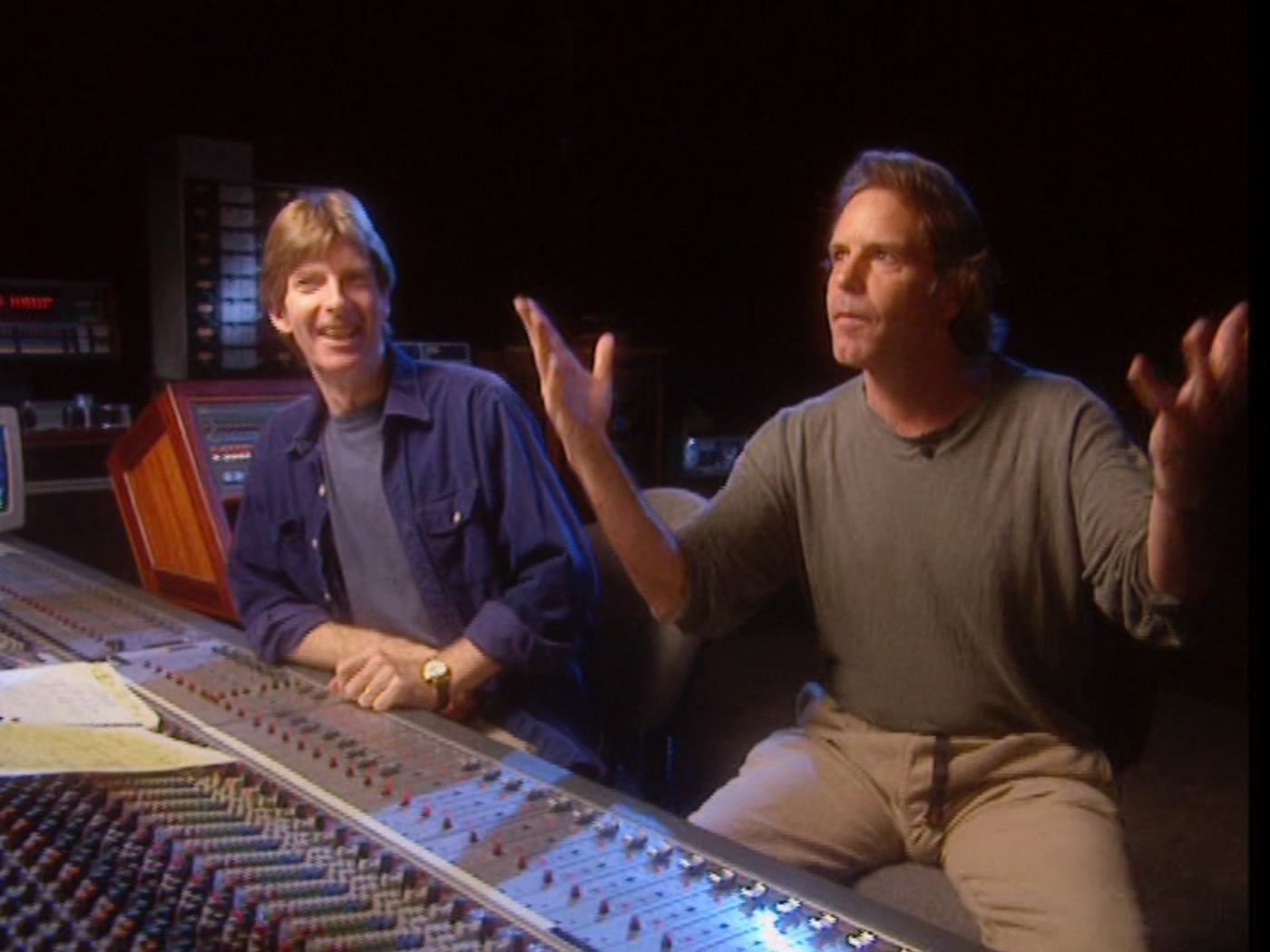
And the groove — the swing — is even more captivating than the vocals. The closest comparison I can think of is The Band, with maybe a hint of The Doors thrown in, though the Dead really are their own universe. There simply aren’t many bands who play with this kind of natural togetherness. This should (and to those in the know, IS) the model of what musicality is all about.
It’s worth noting that the band has two drummers – which makes for a riot of fun. There are also two guitars (Garcia and Weir), with Garcia often sitting down to his pedal steel or picking up his banjo.
Anyway, back to Uncle John’s Band: anyone who knows the album knows the layout — strummed acoustic left, bass entering centre‑rear, a picked guitar joining far right. On tape, the realism, separation, scale, and sheer solidity of that soundstage is monumental. The timbres are natural, the dynamics effortless, the air palpable. It’s like sitting in front of the band or the mixing desk.
Then those threefold harmonies arrive — centre, left, right — floating, intertwining. Behind them, the drums swing with subtlety and grace, full of the weight, texture and timbre or real drums. As always with the Dead, there is an innate musicality that captivates and seduces. No other band seems to have such a natural sense of flow. As the track builds, the second drum kit slips in — not to overwhelm, but to deepen the seduction. And underpinning everything is Lesh’s bass: deep, rounded, perfectly paced. It doesn’t drive like a freight train; it glides with an endlessly relaxed swing.
High Time
A complete change of pace and feel— and that’s one of the joys of this album. It’s a journey, a gentle trip through shifting colours and moods, always gentle and perfectly pitched and finely paced. Garcia takes the lead vocal here, and his pedal steel adds a sweetness that’s almost luminous — metallic in the best way, but never hard or glassy. It’s like cream infused with sunlight. Behind this, Lesh’s bass is a masterclass in precision: every note starts and stops exactly where it should, there’s no sense of blurring whatsoever. On that note, or rather between them, one starts to appreciate the spaces between those bass notes, that ‘air’ that the Dead are so well known for exploring. It’s like savouring a sip of fine wine: fleeting, subtle, but essential.
Despite this being a Garcia ‘solo’ vocal, it isn’t. the backing harmonies drift in with that gloriously loose, human quality — floating in and out of perfect pitch in a way that feels utterly honest and deeply moving.
Dire Wolf
This one could easily be my favourite — if it weren’t for all the others vying for the same honour. The pedal steel again plays a central role, neither too forward nor too recessed. That’s one of the album’s great strengths: the mix is as sensitive as the playing. Nothing shouts. Nothing ever dominates.
Garcia leads, the pedal steel dances lightly, and the band plays a cheerful country jig while he sings “please don’t murder me.” It’s the perfect encapsulation of the album’s magic — lightness and darkness intertwined with a wink. The last few notes, pedal steel alone over the foundation of Lesh’s bass, pierce the air, like a sunbeam through a hole in the clouds.
New Speedway Boogie
A driving, bluesy groove built on percussion, handclaps, and duetting vocals and guitars. Infectious, earthy, irresistible!
Cumberland Blues
A fast‑paced skiffle‑tinged groove with picked guitar lead panning across the soundstage. Bass picking too. The banjo makes an appearance here (hard right) — subtle at first, then rising to duet with the guitars. Again, nothing dominates; everything serves the song. Garcia and Weir share lead vocals, and the interplay is joyous.
Black Peter
Another contender for my favourite track on the album. The deliciously slow, bluesy intro features one of Garcia’s sweetest, most vulnerable vocals. The bass rolls in with comforting propulsion, and then — almost imperceptibly — between those two guitars the organ cuts in, far back in the right channel. If this track doesn’t bring a lump to your throat, check your pulse.
A signature trait of master tape is that ability to present every thread of the mix in its own space. You can follow any instrument, any voice, effortlessly. Hearing the Dead this way — together yet individually present — is one of the strongest arguments for spending $300 on this tape. It’s really not like any other listening to ‘hifi-type experience’. It’s something else entirely.
Halfway through Black Peter, the bass drums gain weight, drawing your attention — then the vocal harmony widens the image, the organ blends in, the guitars weave around each other, and the harmonica slips into the mix with startling clarity. Nothing is ever pushed forward. Everything simply is.
I think that’s one of the defining traits of this tape over the already wonderful vinyl pressings available — and I say that as someone who owns both the superb 1970 US original and the excellent new Rhino High Fidelity all‑analogue Kevin Gray cut. This reel‑to‑reel simply reveals the absolute naturalness of this groundbreaking acoustic recording. Instruments sit in their own space with stunning clarity, yet nothing ever turns steely, harsh, or forensic. It just breathes — effortlessly, organically — eclipsing every other release I’ve heard.
Easy Wind
Another shift in direction, and the only track sung by Pigpen (Ron McKernan). The two drum kits are wonderfully present here — one on each side of the soundstage — playing off one another in a kind of rhythmic firework display. But not the ‘bang‑crash’ kind. Every hit has texture, timbre, the unmistakable sound of stick on skin. The bass dances in the centre‑rear, and the guitars mirror the drums: lead left, rhythm right, weaving around each other. And when the cymbals crash in… well, you’ve probably never heard cymbals sound quite like this. Pigpen’s vocal is also worth noting — he sounds uncannily like Jim Morrison here. For anyone unfamiliar with the album but tempted, this track alone is a revelation.
Casey Jones
And finally, we arrive at Casey Jones, the perfect closer. Before the first note, we hear a deep intake of breath — eerily real, startlingly intimate. The bass sits dead‑centre, physically solid yet never overbearing. Soft, natural, perfectly pitched. Every note, every bend is captured with absolute fidelity. It propels the song with a relaxed, easy swagger — like a steam train chugging along, unhurried, until it shifts gears toward the finale. The guitars play from the wings, left and right. Garcia’s vocal is sweet soft, and sensitive. Then the pedal steel returns, painting the sky like a sunset — warm, glowing, utterly delicious.
And before you know it, the album is over. And this one — perhaps more than any tape so far — makes you want to hit rewind immediately. It’s so utterly enjoyable, so very easy to listen to, so restorative. It lifts stress off your shoulders. It relaxes without ever dulling. It grooves without ever shouting. It’s never harsh, never woolly, never smeared or bloated. It simply flows.
It reminds you that this album could only have been made by a band so inherently in tune with one another that as many players can just pick up their instruments and swing. No amount of multitracking, overdubbing, or click‑track precision could ever produce something this relaxed, this human, this alive. The Dead cut their teeth in the ‘Acid Tests’ — LSD‑fuelled environments where the only rule was to play, to find harmony, to find the groove. False, egotistical showmanship had no place there. Forced production would have been grotesque. This album captures that ethos: smile at the grief, don’t let it crush you, just live, let be, appreciate, exist.
The air in this recording is not full sun, bleached out harsh, nor is it smoggy or opaque. It’s clean, clear, full of awareness and anticipation. Supreme musical interaction. An innate oneness. The very definition of musicality.
Final thoughts
Honestly, I’ve lost count of how many times I’ve played this tape since it arrived. I didn’t see this one coming, but it’s so very welcome. I can’t think of an album I’d rather play now that I have it. I genuinely believe the Rhino High Fidelity reel‑to‑reel tapes are the best thing to happen to recorded music in years. I adore the ones I already own, and I can’t wait to discover whatever comes next.
Here’s the link…
With only 300 copies being made, I’d predict this one will sell out quickly. Don’t delay — make sure you get your copy. These Rhino High Fidelity tapes are destined to become legends.
To find out more and buy: https://store.rhino.com/products/workingmans-dead-rhino-high-fidelity-r2r
If you’ve an appetite for more review-rambling, check out my YouTube video!

