Every so often, an email drops into my inbox from someone in the tape world I’ve never encountered before. It’s one of the small joys of writing about reel‑to‑reel: you never quite know who’s out there, quietly making magic on magnetic tape.
The latest of these surprises came from Shai Drori, who reached out to tell me about his venture, Music on Reels — a tape label dedicated to releasing music on tape, in the format it was born to inhabit.
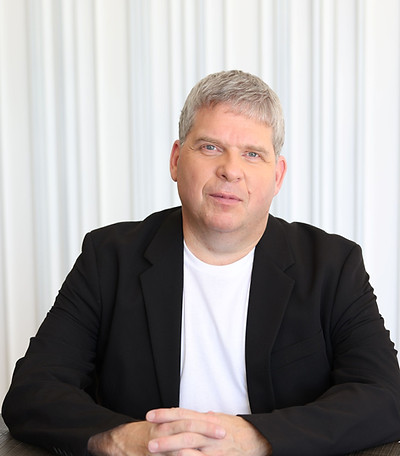
Based in Milwaukee, Wisconsin, Shai is a lifelong tape enthusiast and recording engineer, making recordings since 1992. For years his recordings were released digitally, but with Music on Reels he’s now offering those recordings in their native format: open‑reel tape.
Unlike many of the ‘audiophile’ R2R labels that stick to 15ips 2‑track, Music on Reels also offers 7.5ips 4‑track editions — meaning whatever machine you own, there’s likely a tape for you.
The catalogue is small for now — just four albums — but this is obviously set to grow. Pricing is refreshingly sane: at the time of writing, a 7.5ips 4‑track on a 7″ reel costs just $95, and a 15ips 2‑track is $250 (I should note that normally these prices are slightly higher, at $110 and $265 respectively).
So… what about the music?
The current catalogue includes just two jazz titles and two classical.
Shai kindly sent me one of the jazz releases to check out: a live session by a five‑piece collective curiously called RAD1AL. I say ‘curiously’ because the story behind this recording is anything but ordinary…
A lost night in an ancient amphitheatre
A little over twenty years ago, Shai was recording live performances at the Milestone Club — a tiny jazz venue tucked inside an ancient Roman amphitheatre in Shuni, Israel. The venue sound idyllic – picture this: twelve tables, candlelight, French cuisine, the soft murmur of conversation, the occasional background clinking of sounds from the kitchen. Shai recalls “it was the kind of place that felt timeless. You could feel the energy between the players and the room”.
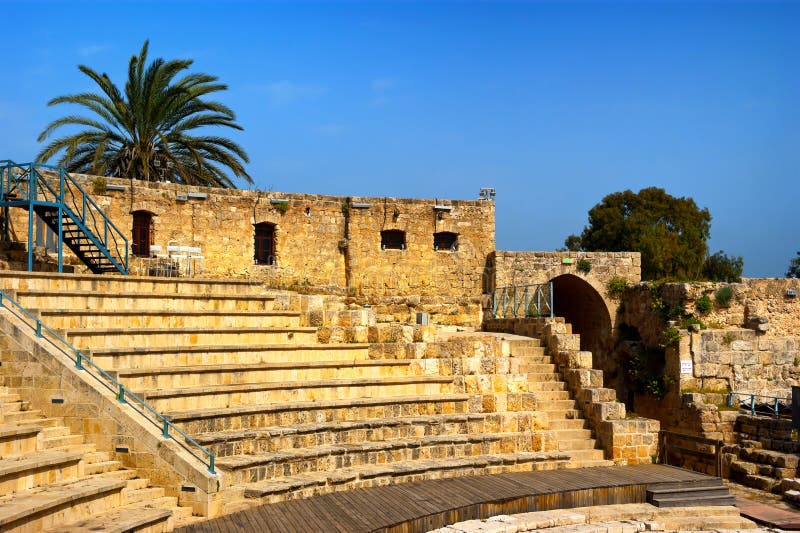
One night, a group of A‑list musicians — and old friends — happened to be in the area, either between tours or just wanting to take time out and relax. They decided to play together, just for the joy of it. And Shai, by pure luck, was there with his gear, for a once-in-a-lifetime opportunity to capture something special.
That night was extraordinary. They brought together influences shaped by years of playing in New York, Brazil, Argentina and Italy, and fused them into something completely natural and alive. At the time, they talked about releasing it as a double LP.
However as so often happens, life got it the way and the project slipped into distant memory. Until about five years ago that is, when the original masters resurfaced. Shai got in touch with those five band members.
Most had moved on. Two were now signed to major labels; the others were in were in very different places musically. No one was keen. But Shai persisted. For five years! Eventually, in a moment of desperation, he sent an MP3 to the bandleader — “just for old times’ sake.”
The next morning, the bandleader called. He’d forgotten how strong the vibe was that night. He said he’d speak to the others. It took time, but they all agreed — on one condition…
No one must ever know who they are!
They selected the tracks that best captured the evening, and Shai agreed to their terms.
What resulted is a reel of remarkable music.
The Sound of RAD1AL
RAD1AL is a quintet: flute, guitar, bass, piano, drums.
The music leans heavily into Latin‑jazz — Bossa Nova, Samba — sweet, melodic, effortlessly listenable. This is not free jazz. Think Getz / Gilberto / Jobim, with occasional flickers of Pastorius. It’s warm, inviting, and mood‑transporting.
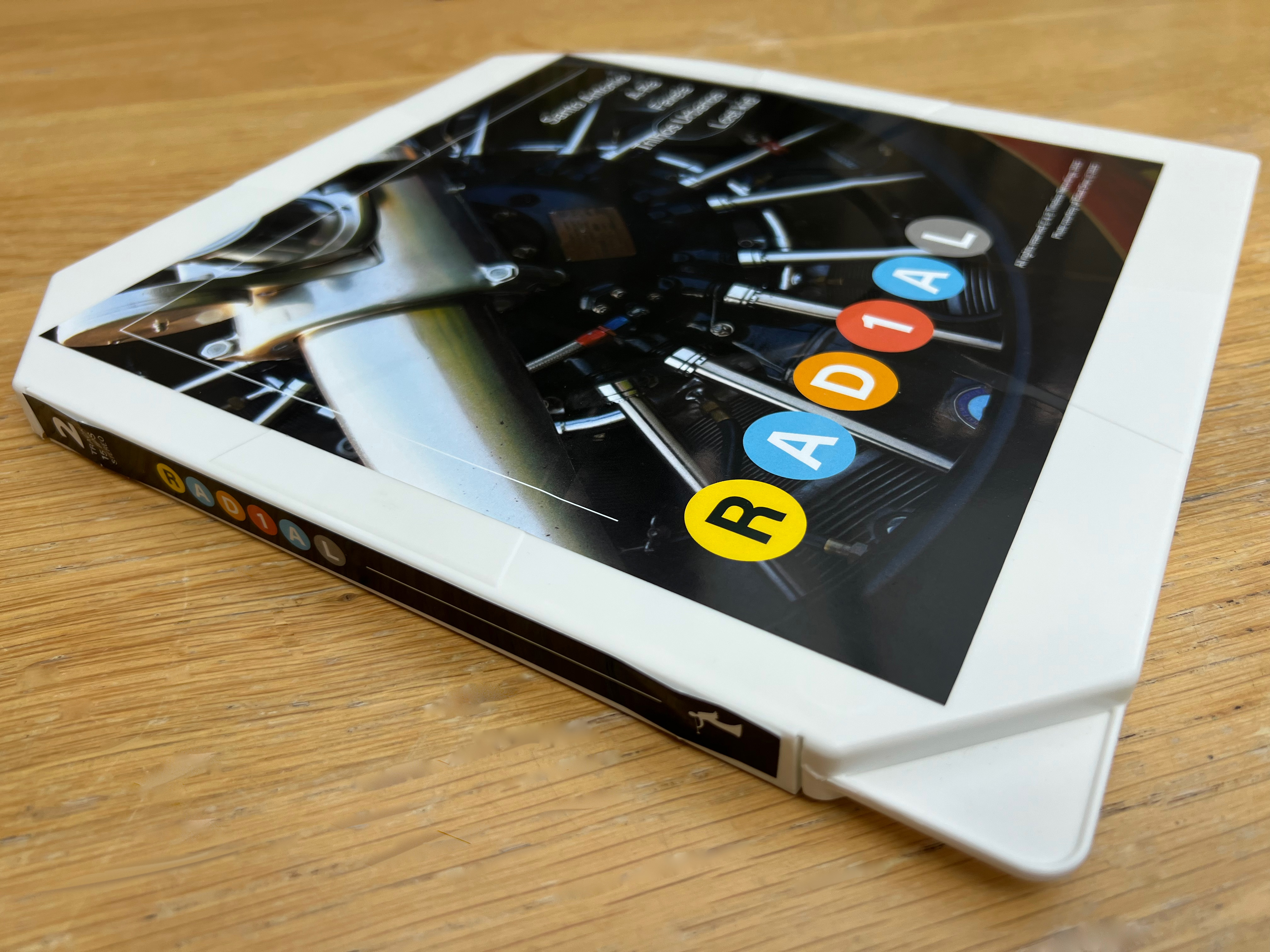 The album includes 5 tracks:
- Santo Antonio
- A‑Ra
- Favela
- Trilhos Urbanos
- Lost Kid
The albums lasts for approximately 45 minutes, and is duplicated onto RTM LPR35 long play tape, so the whole album fits on a single reel. It’s recorded in CCIR EQ at at around 320nWb/m + 3dB (or thereabouts). The tape comes on a handsome blue anodised metal reel housed in a rugged white plastic clamshell keep-safe case, which is certainly rugged and practical, if not overly luxurious.
Sleeve notes are minimal — understandably, given the anonymity agreement. My only gripe: no leader tape. After the second listen, I added my own.
How it was recorded
The sound is full, rich and warm, with a beautiful creamy tonality glowing with intimacy and atmosphere. Shai describes the recording as ‘hybrid’. What this actually means is that the original multitrack recording was digital. Despite a preference for analogue, when recording on location Shai elected to use digital recording which allows him to record multiple tracks and mix later on back in the studio. (The only practical alternative for an all-analogue recording would have been to mix the session live, ‘on the fly’, and record to 2-track tape. Transporting a massive 16 or 24-track tape recorder to the location was simply not possible.)
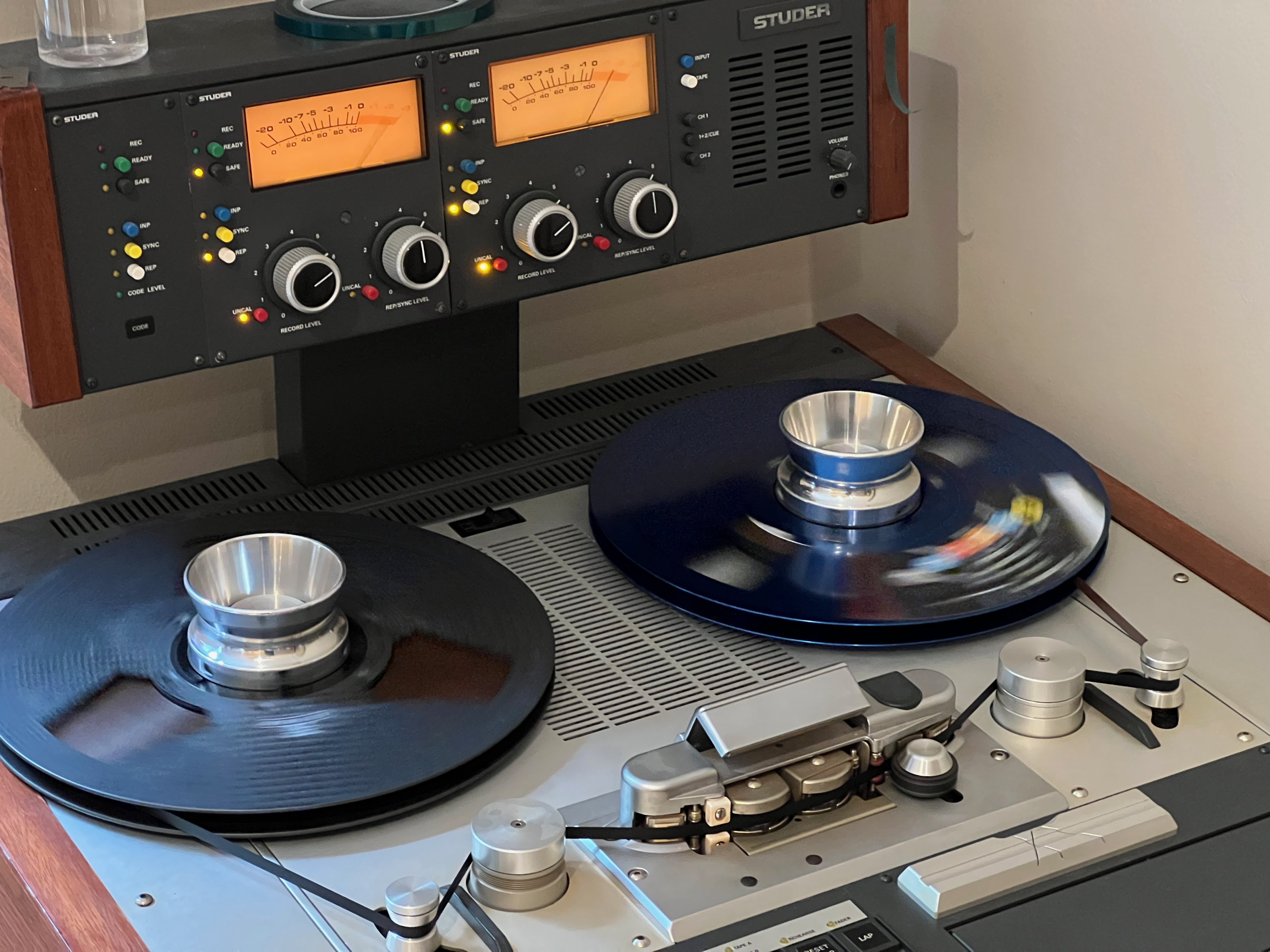
In the studio, the multitrack was then converted to analogue via an RME converter, mixed on a Soundcraft Ghostdesk, and recorded to an Ampex ATR‑100 using Agfa PEM468 tape.
The copies Shai sells are direct 1:1 copies of that original analogue master, produced by a second arm to Shai’s business: ATR Duplication. Shai uses a bank of Ampex ATR recorders to produce the copies, so what you are getting is undoubtedly first class master copies.


How it sounds
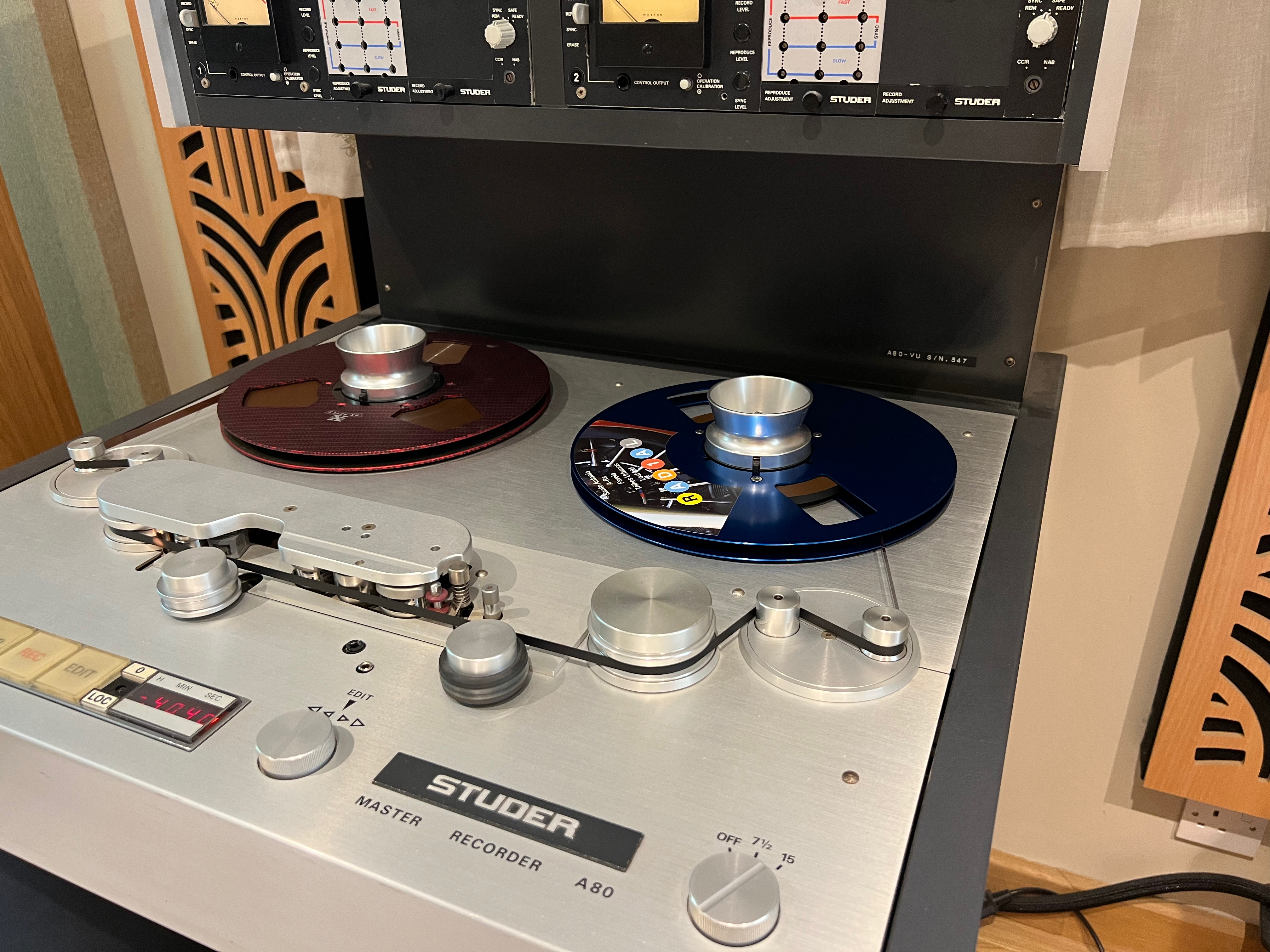
Whether it’s down to the acoustics of the venue, the recording or the mix, the soundstage is warm and deep rather than overly wide. The whole band plays as one, with each soloist occupying the forward centre stage when it is their turn to ‘step forward’. This leads to an incredible presence and musical cohesion.
The drums are visceral and life‑sized – the snare in particular is vividly ‘there’. The flute is haunting. The guitar sits firmly front‑left. Depth is good; width is modest. The only instrument to noticeably stand apart is the guitar which is firmly rooted to the front left of the stage.
This is not audiophile laser-etched holographic sound-staging, like a constructed miniature version of reality. This feels real; dynamic, full-scale music. The band sounds very much life-size in terms of dynamics and image size. The music is beautifully balanced and seductive. It reaches into your soul. There was very clearly magic in the air that night and thankfully Shai was able to capture it on record.
Final thoughts
As a first encounter with Music on Reels, RAD1AL is hugely encouraging and I look forward to hearing more – so I asked Shai about the rest of his catalogue and of any forthcoming releases.
Of the current catalogue only the Ofer Landsburg Trio album is all analogue as this was a studio recording. Like RAD1AL, the two classical albums are live recordings made on location and so are ‘hybrid’ digital multitrack recordings, mixed and mastered in the analogue domain.
Shai has three more releases planned. If they’re anything like this one, Music on Reels is absolutely a label to watch. Here’s where to keep an eye out:

